“What do participants actually work on?”
It’s the question we get most often from those considering the Local Leader Lab, and it’s a fair one. The program is open-ended on purpose, so the project is never assigned. Some Lab members arrive with one already underway, and others find it along the way, and either way it’s something they care about in the place they live, worked on alongside a cohort doing the same in their own towns.
The honest answer is that the projects look almost nothing like each other: a wildlife refuge in Oregon, a community refrigerator in New York, a widow’s ministry in Illinois, ramps and grab bars in New Jersey, a school board meeting in Maryland.
Across several cohorts, though, they do sort into three rough shapes, and almost none of them started with a plan.
Joining Something That Already Existed
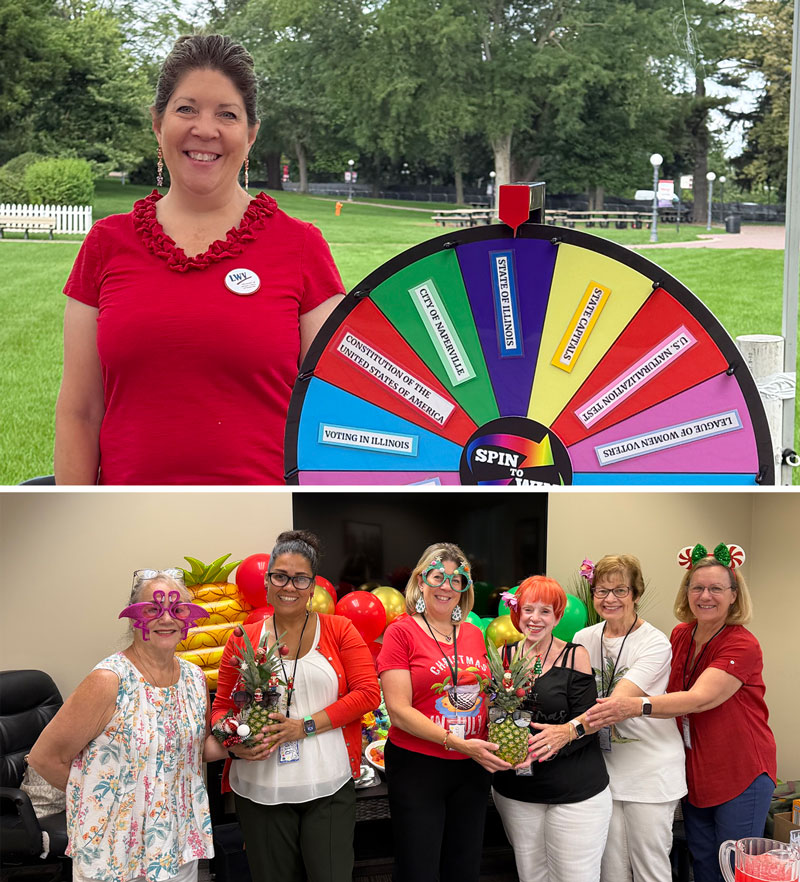
A precinct chair seat she’d never heard of: Diane joined the Lab wanting focus and direction, which isn’t the same thing as having a project. What she found was smaller and closer to home: her township party meetings in Illinois, her local League of Women Voters chapter, a precinct chair role she hadn’t known existed, and, separately, a ministry she launched at her church for widows in her community.
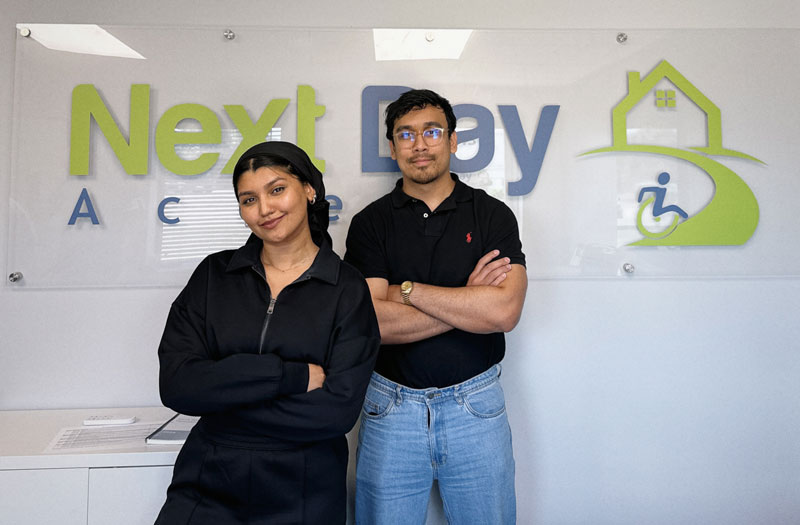
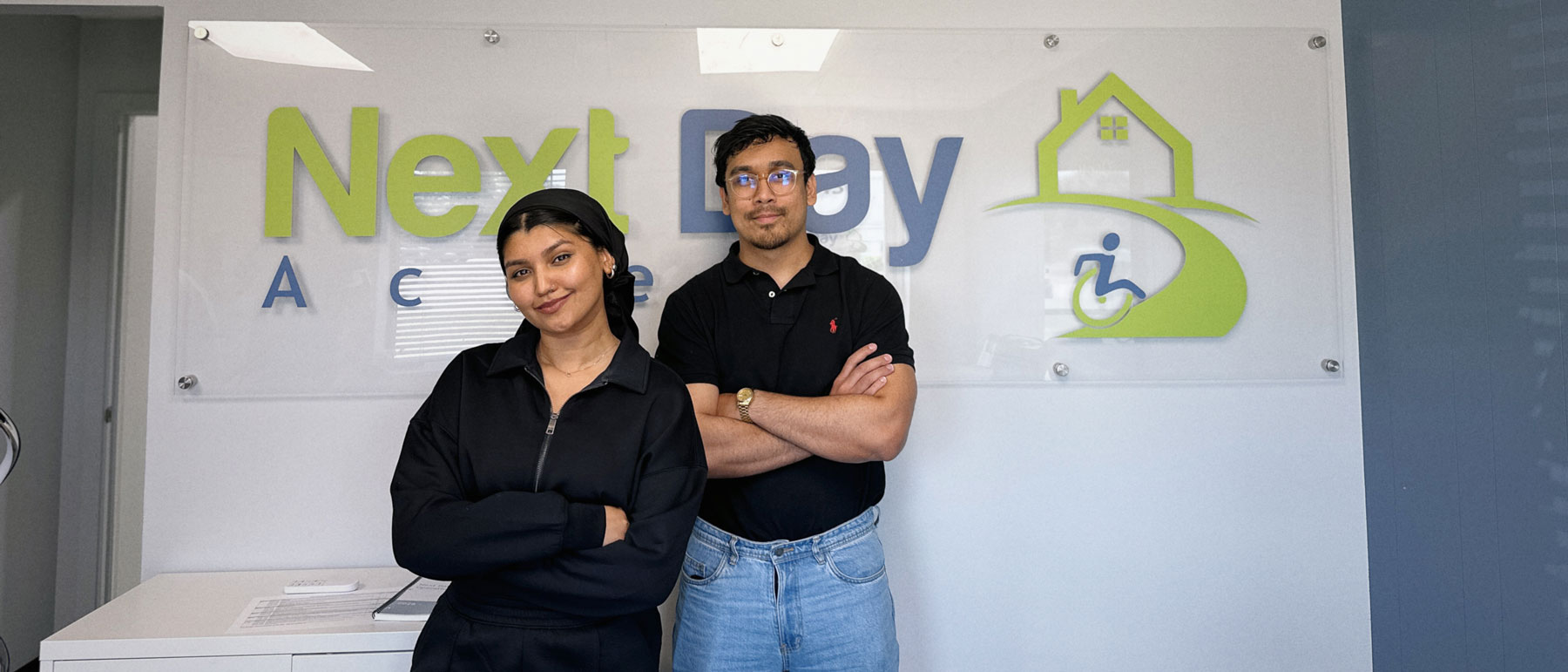
Ramps and grab bars so seniors can stay home: Aaisha is a product manager and technology consultant in New Jersey. She bought a franchise territory, Next Day Access, and is partnering with her husband to install ramps, grab bars, and stair lifts so seniors and veterans can stay in their homes.
The volunteer group protecting the refuge: A 160 acre wildlife refuge, run by volunteers Elizabeth cared about green space in Oregon, so she joined a volunteer group that helps manage a wildlife refuge spanning more than 160 acres. She’ll tell you she’s still learning, and that if she were starting over she’d have looked sooner at how other park preservation groups do it. The learning is happening inside the work, not before it.
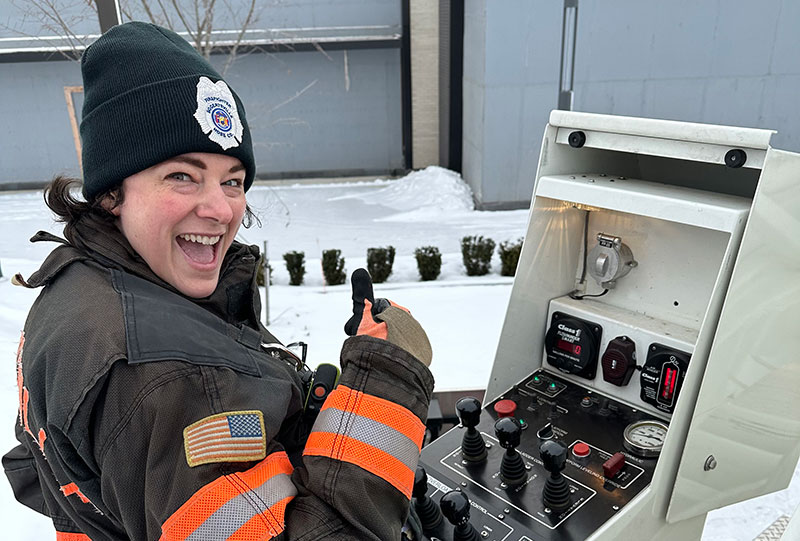
Who gets recruited into the fire service: V is a certified firefighter in New York who took over membership at the fire hall and joined Women in Fire. They’re now doing a retrospective, gathering recruitment and retention data from that department and the ones around it, with attention to how few women and other underrepresented people are in the fire service. That research becomes a workshop at the state meeting in September. There’s a nonpartisan voter registration collaboration in the works too, between local fire companies and community organizers at open houses this fall, with templates so other Lab members can run it in their own towns.
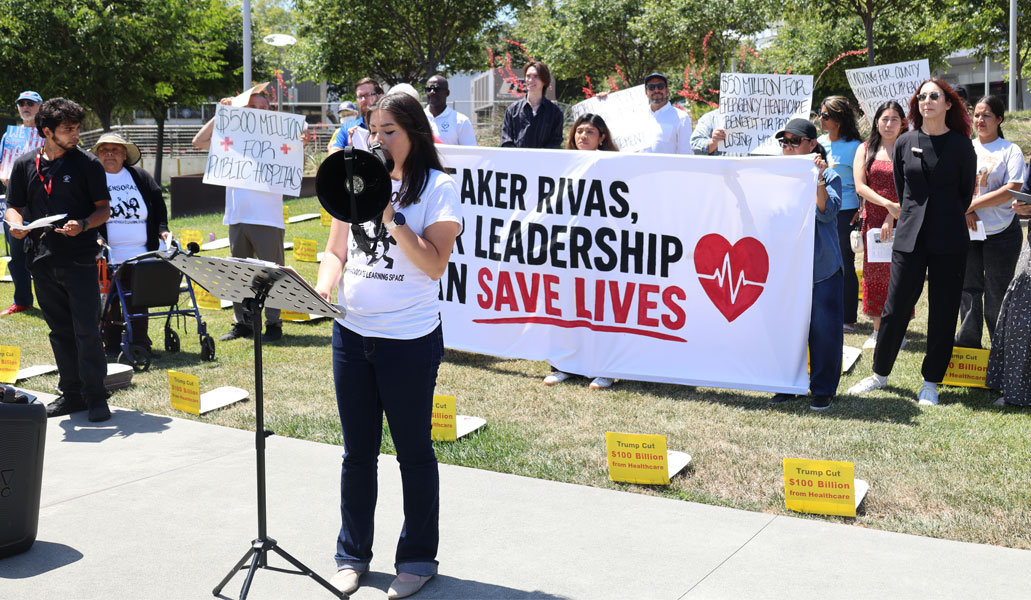
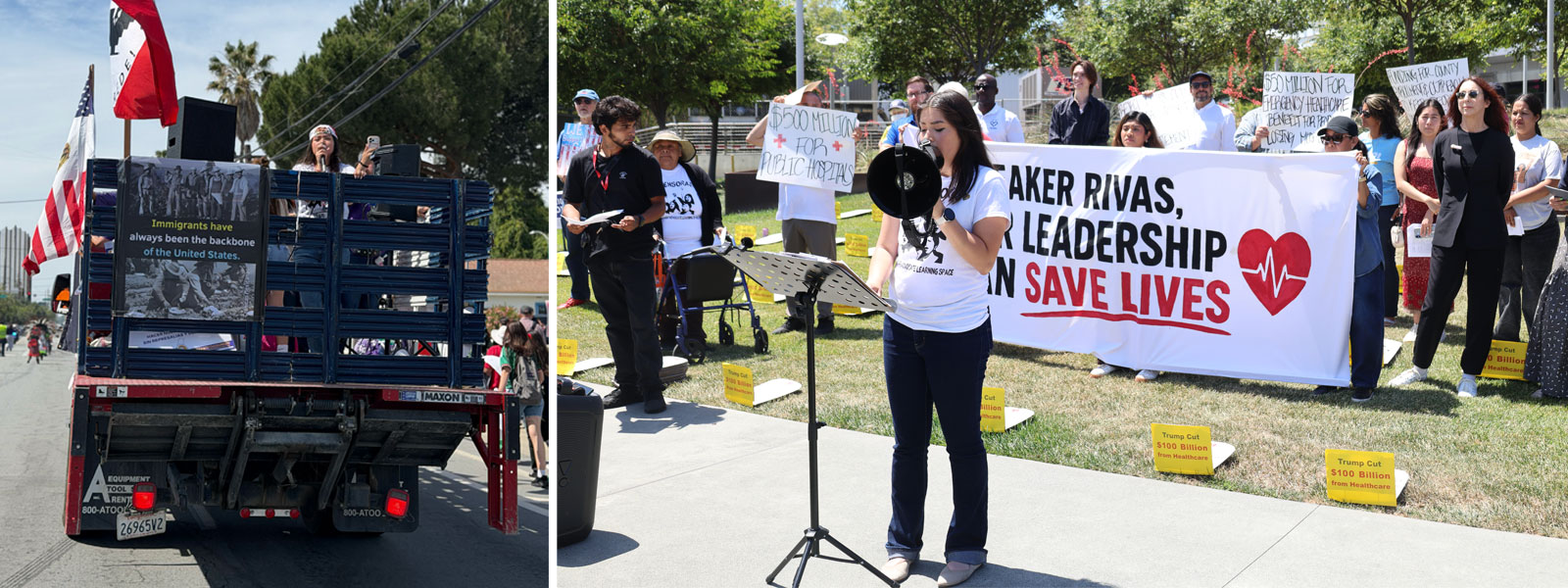
How immigration arrests happen in her city: Samantha joined a local nonprofit in California working on how immigration arrests are carried out in her city. The group’s steady outreach and its research meetings, including sessions with city council members and school district trustees, got city officials to sit down and listen to community concerns.
Asking for Something, Out Loud, In a Room
The case for career planning in third grade: Denise is working to bring career exploration and goal setting to Southern Maryland students beginning in third grade. She brought the idea of expanding Individual Learning Plans (ILPs) to the Charles County Board of Education, asking why we should wait until middle or high school to help students discover their strengths, interests, and future possibilities. She’s now researching best practices and talking with teachers and administrators about what implementation could look like, including how to engage families. This fall, she’ll return to the Board with her findings and recommendations for next steps.
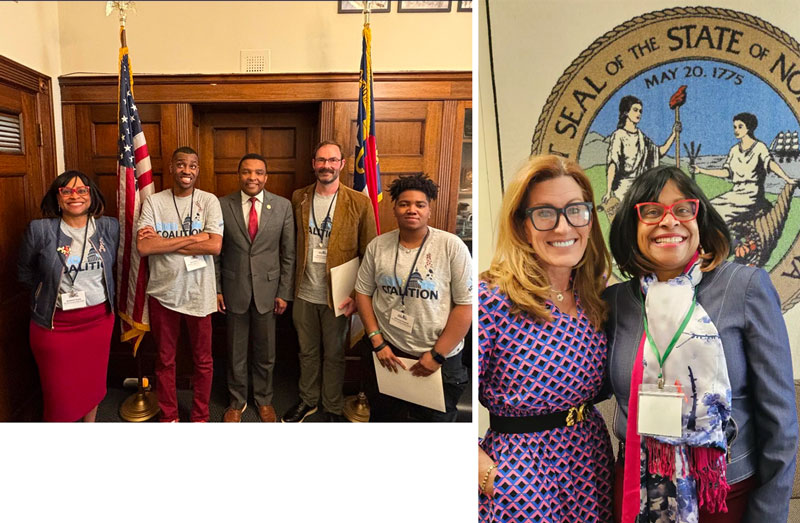
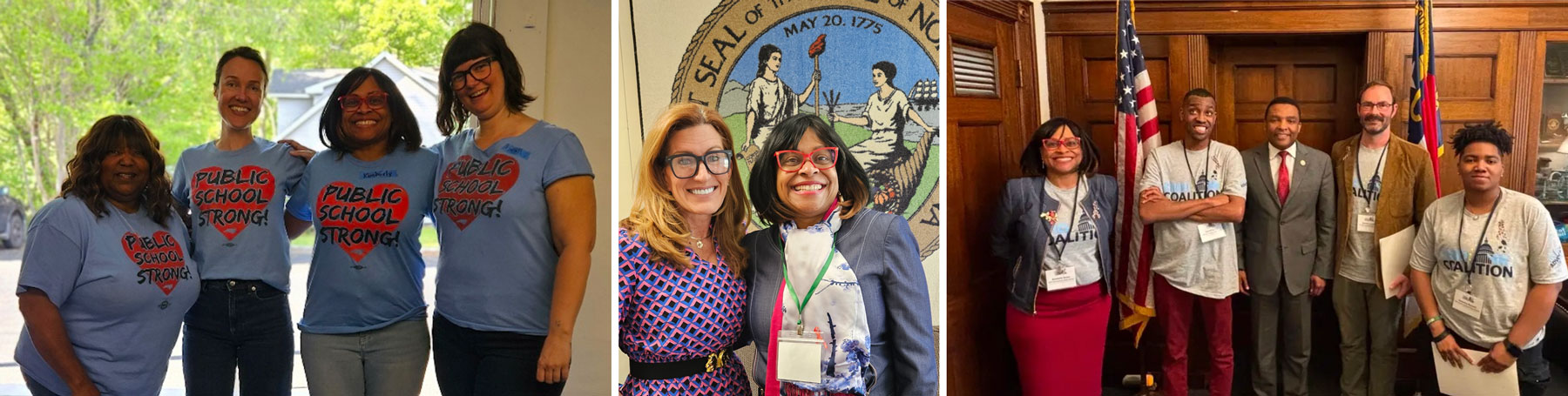
Collecting the surveys that became a petition: Kimberly is an education advocate in North Carolina. After a state supreme court ruling ended a thirty year school funding fight, she joined a coalition, collected the most surveys in her county, was chosen as its delegate to a statewide platform assembly, and helped deliver a petition to legislators.
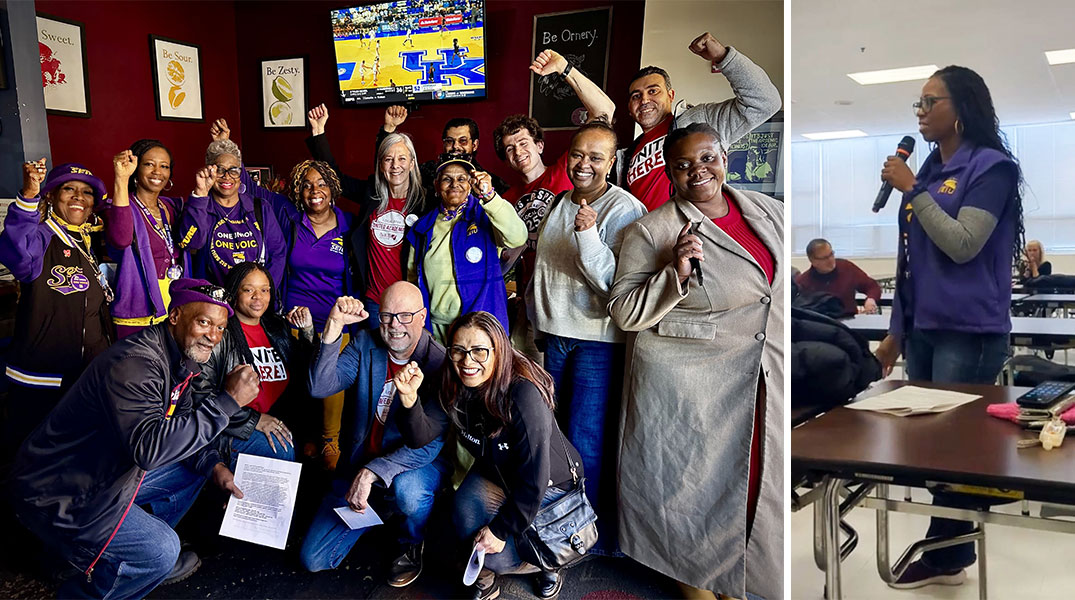
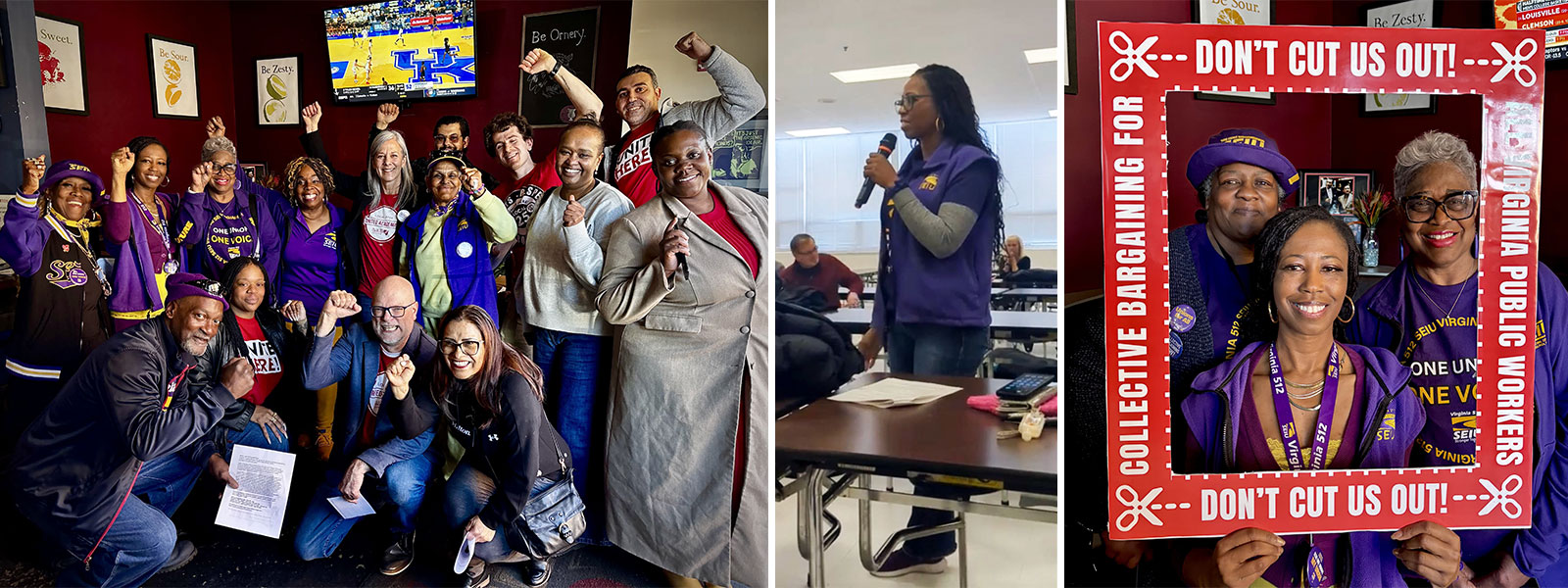
The careworker bill, and who it left out: Dr. Sarah is a home care advocate in Virginia. She lobbied at the state Capitol for legislation protecting home care workers’ right to collective bargaining, then spoke at a town hall, where local coverage quoted her saying both versions of the legislation left workers behind. Dr. Sarah has continued organizing and advocating for home care workers while expanding her work in civic and political leadership.
Every Lab member is asked to estimate who their work reached and report it back to us, which for most is the first time anyone has asked them to size it.
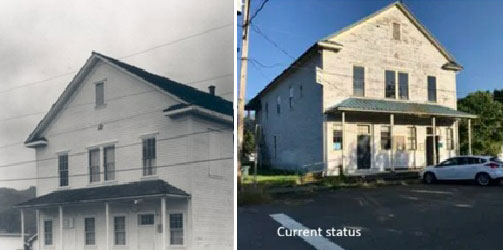
The oldest building in town: Monika set out to save the oldest building in her Washington town, a de facto community center in rough shape. She met with the owners, the town council, the community groups using the building, and the people already good at fundraising, then went before the town association to make the case. The first grant was close but ultimately not the right fit. She’s now mid application on a second one that fits better, with contractors donating time to bring the cost down and letters of support behind her, and along the way she was elected to the town association. Building preservation is its own subcommittee now.
Building Something That Wasn’t There
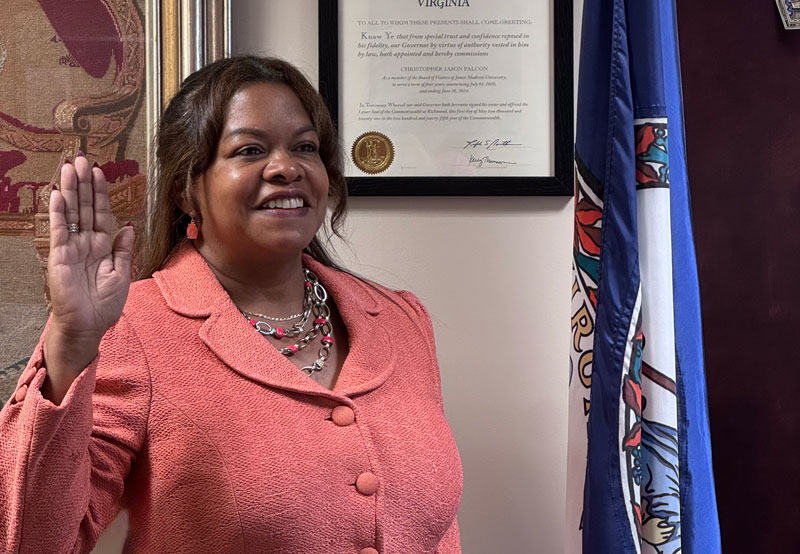
A voter registration plan for her sorority chapter: Carrie took the lead on voter registration for her sorority’s alumnae chapter in Virginia, writing the plan, getting it approved, and setting a calendar of registration tables running monthly through November with the League of Women Voters and the NAACP. Since joining the Lab she has also been appointed to the Virginia Board of Veterans Services.
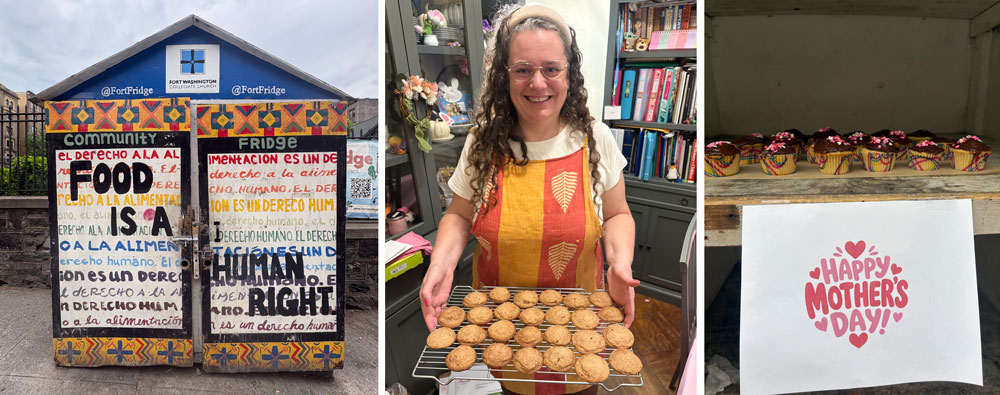
A rotating schedule of neighborhood bakers: Sharon’s New York City neighborhood has a community refrigerator, though its fate became uncertain when the church running it closed. She organized her neighbors into a group called the “Fort Fridge Bakers” to donate homemade baked goods to the community fridge on a rotating weekly schedule.
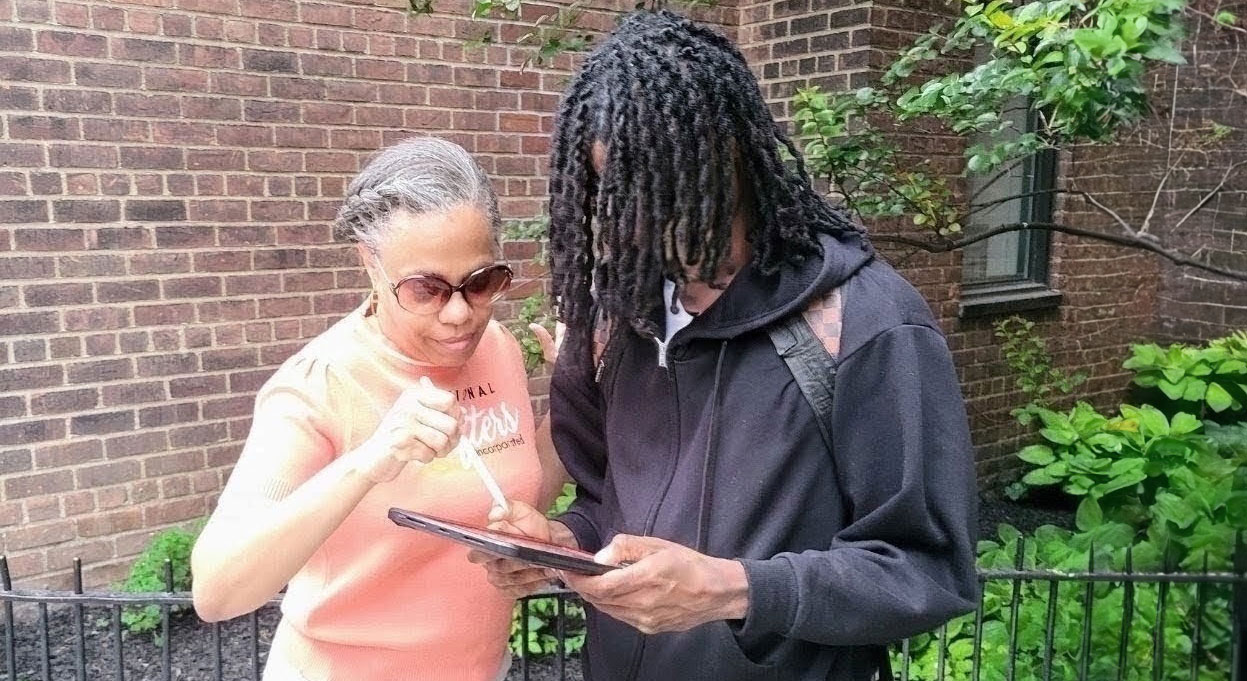
Flyers, and following up after: Monique made voter engagement and registration flyers for her chapter in New York and handed them out at registration events. She also reached out to the young people in her life to ask about registration, and walked the ones who weren’t through doing it online. In the fall. she is adding a voting plan to the materials, and following up with everyone she registered.
Which data centers are coming, and who profits: Tracy built a website in Maryland that maps the data centers already operating in her state and the ones being proposed, who profits from them, and what they cost the people living nearby.
A partnership to train mentors on opioid use: Marva convened a partnership in Georgia to train mentors to recognize the signs of opioid use and guide the people they mentor toward healthier habits.
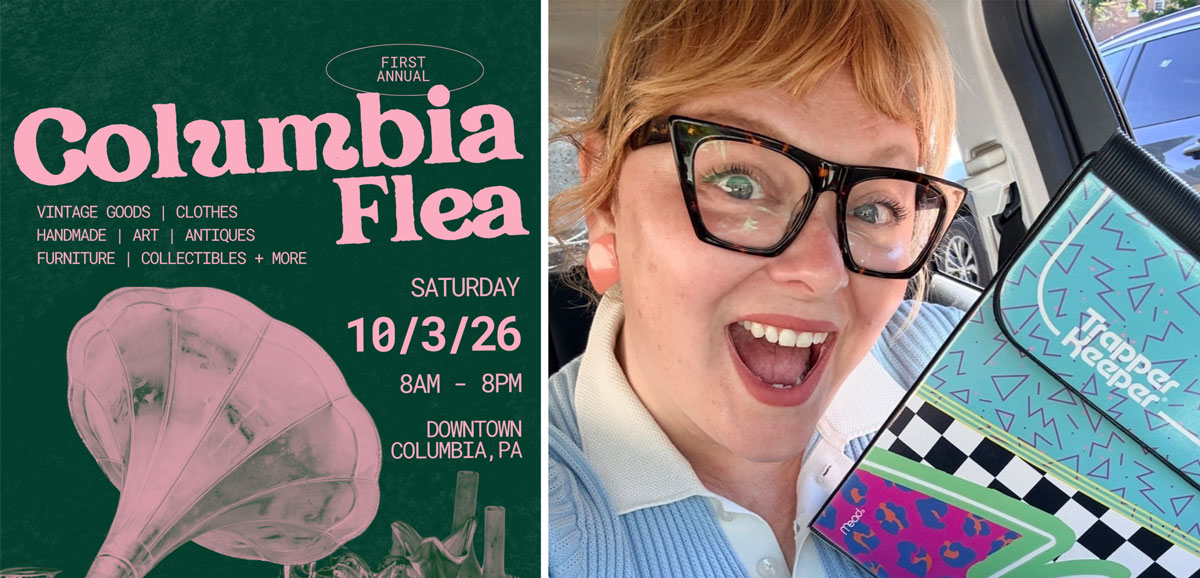
A business incubator and a flea market downtown: Kris Mae launched a sliding-scale small business and nonprofit incubator in her Pennsylvania town, along with a twice-yearly market meant to bring tourism and revenue to the businesses already downtown.
A civic gathering space at her salon: Raven runs a hair salon in Texas. After a lot of second-guessing about what her project should even be, she landed on utilizing the salon as a civic gathering space, a series she’s calling Raven Row, The People’s Salon. She has the name, the room, and the dates, and she’s planning three or four gatherings before November.
Neighbors, off their phones, in a park: Robyn started hosting gatherings to get her Wisconsin neighbors talking to each other in person. A Saturday morning at the park has worked best so far, because she could flag down people already out on their walks.
The Rest of the Range
A partial list, because the range is the point.
A statewide network for LGBTQIA+ college staff: Katie, Maryland. Founded Maryland Community College Pride Alliance (MCCPA), a grassroots peer network of community college employees who lead LGBTQIA+ committees/student groups. MCCPA already has members from over 2/3 of Maryland community colleges!
Asking parents where the system failed them: Liz, Ohio. Surveyed parents of medically complex children, then began building the resource guide the responses called for.
Looking for a fridge site, and finding a committee: Abby, Illinois. Went looking for a site for a neighborhood fridge, discovered her park district has an advisory committee for every location, joined hers, and is one meeting away from a voting seat.
Asking school captains, board members, and parents: Chelsea, Washington, DC. Stepped into a ward-level public education leadership role and started interviewing school captains, board members, and parents.
A town party committee, restarted: Marie, New York. Took over as chair of her town’s party committee, restarted monthly meetings after it had gone dormant, and now has hosted multiple candidate support events.
Six free financial planning and tax preparation workshops for artists: Farrell, Washington, DC. Ran a series of six free workshops for artists on self-employment tracking, goal setting, financial planning, and taxes.
What actually gets people to register: Sylke, New York. Learned that a Juneteenth concert drew more people than free food, and that the surest way to register a voter is to hand her a paper form and mail it in yourself.
Rides to the polls for elders: Chinella, Illinois. Organizing Election Day rides for elders.
Pushing for a transparent park funding process: Morgan, Oregon. Pushing for a more transparent process for park funding decisions.
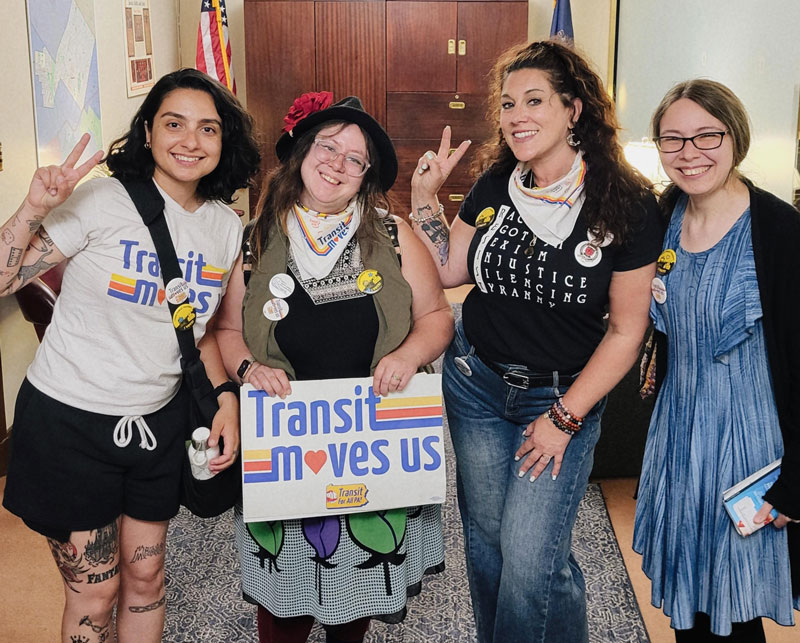
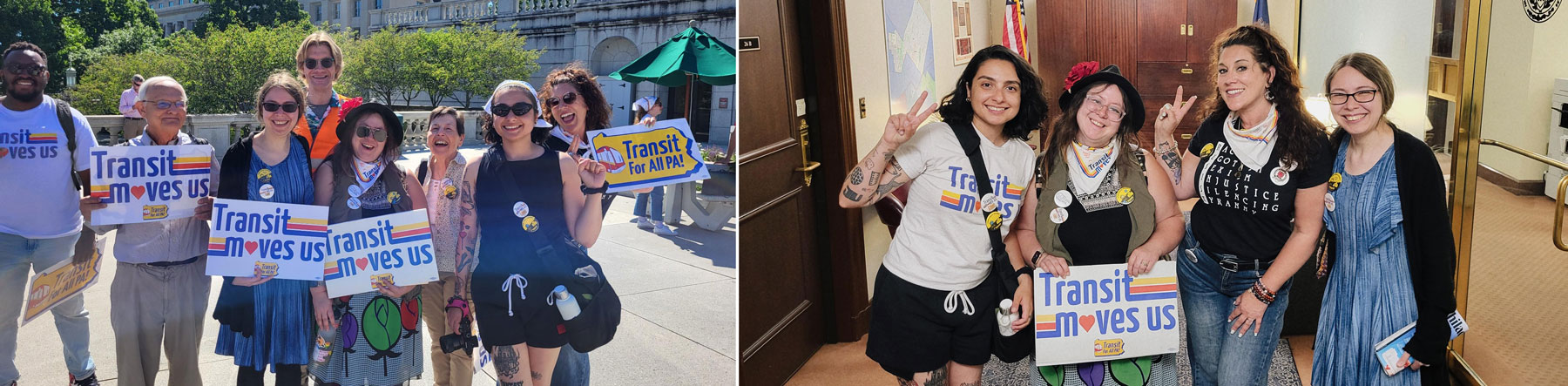
A public transportation campaign: Helena, Pennsylvania. Organizing a story-collecting project, called Humans of SEPTA, to bring awareness to public transportation issues in Northeast Philadelphia, which holds a third of the city’s population and is chronically overlooked.
A seat in a statewide care economy collaborative: Sydney, Pennsylvania. Working on paid family leave, livable wages, and the care economy through a statewide collaborative.
Not much, on the surface.
What they share is that each of them started from something they were already paying attention to and then did one concrete thing about it where they actually live. Not a national campaign. A township meeting, a school board mic, a rotating baking schedule.
So there’s no template we can hand you. A Local Leader Lab project is the thing you already care about, taken seriously enough to act on, in the company of others who’ll ask you what you actually did about it. What the Lab provides is the structure around that: a facilitated sequence that moves from what you care about, to who actually holds power over it, to something you can do next.